
Some links in this article may be affiliate links. We may earn a commission at no extra cost to you.
Extraordinary Circumstances: When Airlines Don’t Have to Pay Compensation
If your flight is delayed or cancelled, the airline may refuse compensation because of “extraordinary circumstances.”
Under UK261 and EU261, that can be a valid reason—but the phrase alone is not enough. The airline must show what happened, how it affected your flight and why the disruption could not have been avoided even after taking all reasonable measures.
Even where fixed compensation is not payable, you may still have rights to care, a refund or rerouting, depending on the disruption.
What Are Extraordinary Circumstances?
Extraordinary circumstances generally involve events that are not inherent in the airline’s normal operations and are beyond its actual control.
An unexpected problem does not automatically meet that test. Aircraft faults, staffing problems and other operational difficulties can still be part of running an airline.
The CAA’s guidance on compensation and extraordinary circumstances explains the main examples and why an airline must justify relying on the exemption.
Which Events Can Qualify?
The cause of the disruption matters, but so does how the airline responded. These examples are starting points rather than automatic exemptions.
Bad Weather
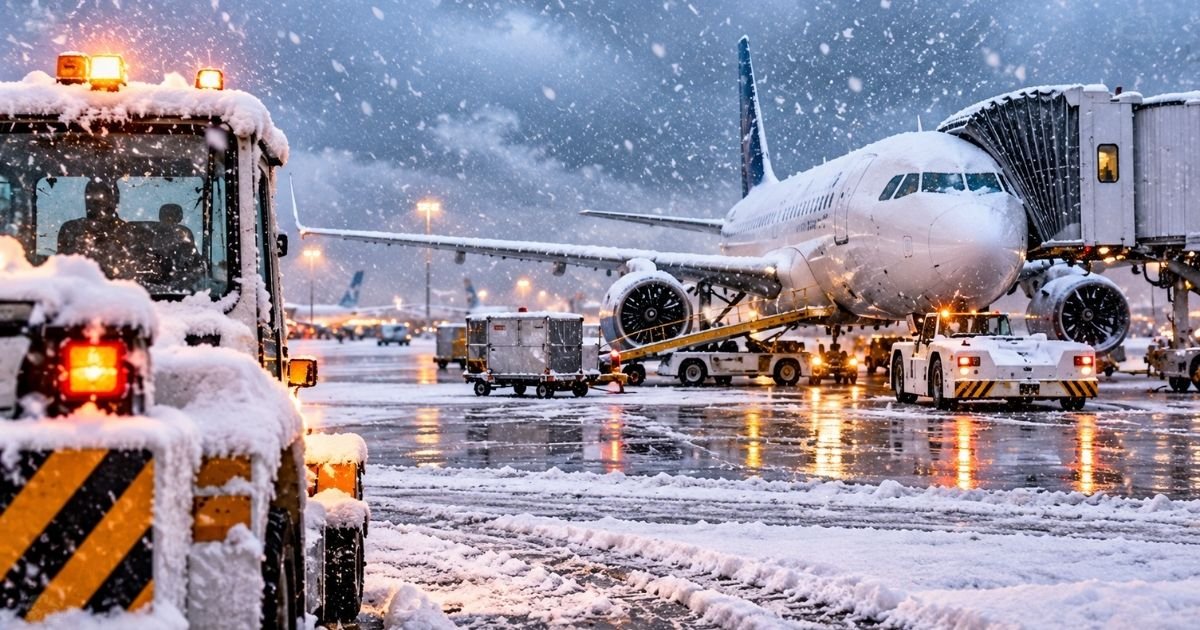
Weather incompatible with safe flying can qualify, including dangerous winds, heavy snow, thunderstorms and poor visibility.
The airline should explain how the conditions affected your flight. The relevant weather could have been at your departure airport, destination or somewhere affecting the aircraft’s earlier journey.
Good weather outside your terminal does not, by itself, disprove the airline’s explanation.
Air Traffic Control Restrictions
Air traffic control decisions, restrictions and certain system failures can qualify.
For example, following the NATS technical disruption on 8 September 2026, the CAA said directly affected delays and cancellations—and directly related knock-on disruption—were likely to amount to extraordinary circumstances.
Its statement on the September 2026 NATS disruption also reminded airlines of their continuing responsibilities towards affected passengers.
External Strikes
Strikes involving air traffic controllers, airport staff or other organisations outside the airline may qualify.
Industrial action involving the airline’s own employees is generally treated differently. Managing relations with its workforce forms part of operating the business.
If your rejection simply says “strike”, ask who was on strike and how that action affected your flight.
Security Incidents and Other External Events
Terrorism, sabotage, significant security risks and political or civil unrest can qualify where they affect flight operations.
Certain hidden manufacturing defects can also qualify, particularly where a manufacturer identifies a defect requiring aircraft to be grounded.
Each claim still depends on the circumstances and the measures reasonably available to the airline.
Are Technical Faults or Staff Shortages Extraordinary?
Ordinary aircraft technical faults are generally not extraordinary circumstances, even when they happen unexpectedly.
Component failures and problems associated with normal aircraft maintenance are usually part of operating an airline. A hidden manufacturing defect, sabotage or terrorism may be treated differently.
Similarly, ordinary shortages of the airline’s own crew are not automatically extraordinary. Recruiting staff, managing rosters and dealing with sickness are normally operational responsibilities.
However, a crew shortage could result from an earlier extraordinary event—for example, air traffic control disruption leaving aircraft and crews out of position. The airline would need to explain that connection rather than relying on “crew unavailable” alone.
See the official EU guidance on extraordinary circumstances for further examples.
What About Knock-On Delays?
An extraordinary event affecting an earlier flight can sometimes explain disruption to a later service using the same aircraft or crew.
That does not automatically exempt every subsequent flight from compensation. The airline must establish a direct connection and show that it took reasonable measures to avoid or reduce the resulting disruption.
Useful questions include:
- What was the original extraordinary event?
- Which earlier flight or operation did it affect?
- How did it affect my aircraft or crew?
- What steps did the airline take to reduce the knock-on disruption?
A general reference to “earlier operational disruption” does not explain those details.
What Must the Airline Prove?
An airline relying on extraordinary circumstances must substantiate its explanation. It needs to establish:
- What happened and why it qualifies as extraordinary.
- How that event caused your delay or cancellation.
- Why the disruption could not have been avoided even after taking all reasonable measures.
Depending on the situation, those measures might involve operational adjustments, alternative aircraft or crew, or suitable alternative travel.
The airline is not required to take every imaginable step regardless of practicality or resources. However, identifying an extraordinary event does not remove the need to explain its response.
If you receive a vague rejection, you could write:
Please explain the specific event that caused the disruption, how it affected my flight and why you consider it an extraordinary circumstance. Please also explain what reasonable measures were taken to avoid or reduce the disruption and provide the supporting evidence on which you rely.
Keep the reply alongside your original claim.
What Rights Remain If Compensation Is Refused?
Extraordinary circumstances can remove entitlement to fixed compensation. They do not automatically remove the airline’s separate obligations.
For a covered flight, these may include:
- Reasonable meals and refreshments once the relevant waiting threshold is reached.
- Two phone calls or emails.
- Accommodation where an overnight stay becomes necessary.
- Transport between the airport and that accommodation.
- Reimbursement of reasonable expenses where required care was not provided.
If your flight is cancelled, you should generally be offered the relevant choice of a refund or alternative travel. Care normally continues while you await rerouting at the earliest opportunity; choosing a refund or travel at a later date convenient to you changes those obligations.
For a departure delay of at least five hours, you can choose not to travel and request the applicable reimbursement.
The detailed conditions are explained in:
- Flight Delayed? Your Rights to Compensation, Expenses and Care
- Flight Cancelled? Your Rights to a Refund, Rerouting and Expenses
If You Have to Pay for Care Yourself
Ask the airline for assistance first, where practical. If it does not provide the care required, make reasonable arrangements and keep itemised receipts.
Choose necessary, reasonably priced meals, accommodation and transport. Alcohol, luxury spending and unnecessary upgrades are unlikely to be reimbursed.
Request expenses separately from fixed compensation. A valid exemption from one does not automatically defeat the other.
What Evidence Should You Keep?
You do not need access to the airline’s operational records to start a claim. Keep the evidence available to you:
- Booking confirmation and boarding passes.
- Scheduled and actual arrival times.
- Delay or cancellation messages.
- The airline’s explanation and any subsequent correspondence.
- Relevant screenshots of departure boards, notifications or alternative flights.
- Itemised receipts and records of requests for assistance.
Evidence that other flights operated may be useful context, but it does not prove your flight could have operated. Different aircraft, routes and restrictions can produce different outcomes.
How Can You Challenge a Rejection?
Complain to the operating airline first and explain why you disagree with its reasoning.
If you receive an unsatisfactory final response, or eight weeks pass without resolution, you can normally approach its Alternative Dispute Resolution (ADR) provider, if it participates in a suitable scheme.
For relevant complaints involving airlines outside an approved ADR scheme, the CAA’s Passenger Advice and Complaints Team (PACT) may help. PACT cannot impose a binding decision. A different national complaints body may be appropriate for some EU-covered journeys.
Read Flight Compensation Claim Rejected or Ignored? What to Do Next for the escalation process.
Court action may remain an option, depending on the claim and any previous resolution. Before proceeding after ADR, check the scheme’s terms and whether you have accepted a binding settlement or outcome. Complaint proceedings should not be assumed to pause court deadlines.
See Taking an Airline to Small Claims Court: UK Guide for more information.
Final Thoughts
An airline must justify an extraordinary-circumstances rejection, rather than simply name the exemption. Ask what happened, how it affected your flight and what reasonable measures were taken.
Even if fixed compensation is unavailable, check your separate rights to care, reimbursement and alternative travel.





Ready to plan your next trip?
Turn inspiration into a holiday you can actually book.
Handpicked DealsDiscover great holiday deals worth exploring.
Travel PlanningTips, guides and ideas to inspire your next trip.
Trusted ProvidersBook directly with established travel brands.